Powering India with Liquid Hydrogen
Cryogenic-grade liquid hydrogen infrastructure — from renewable production and liquefaction to nationwide logistics and carbon-neutral applications.
Cryogenic-grade liquid hydrogen infrastructure — from renewable production and liquefaction to nationwide logistics and carbon-neutral applications.
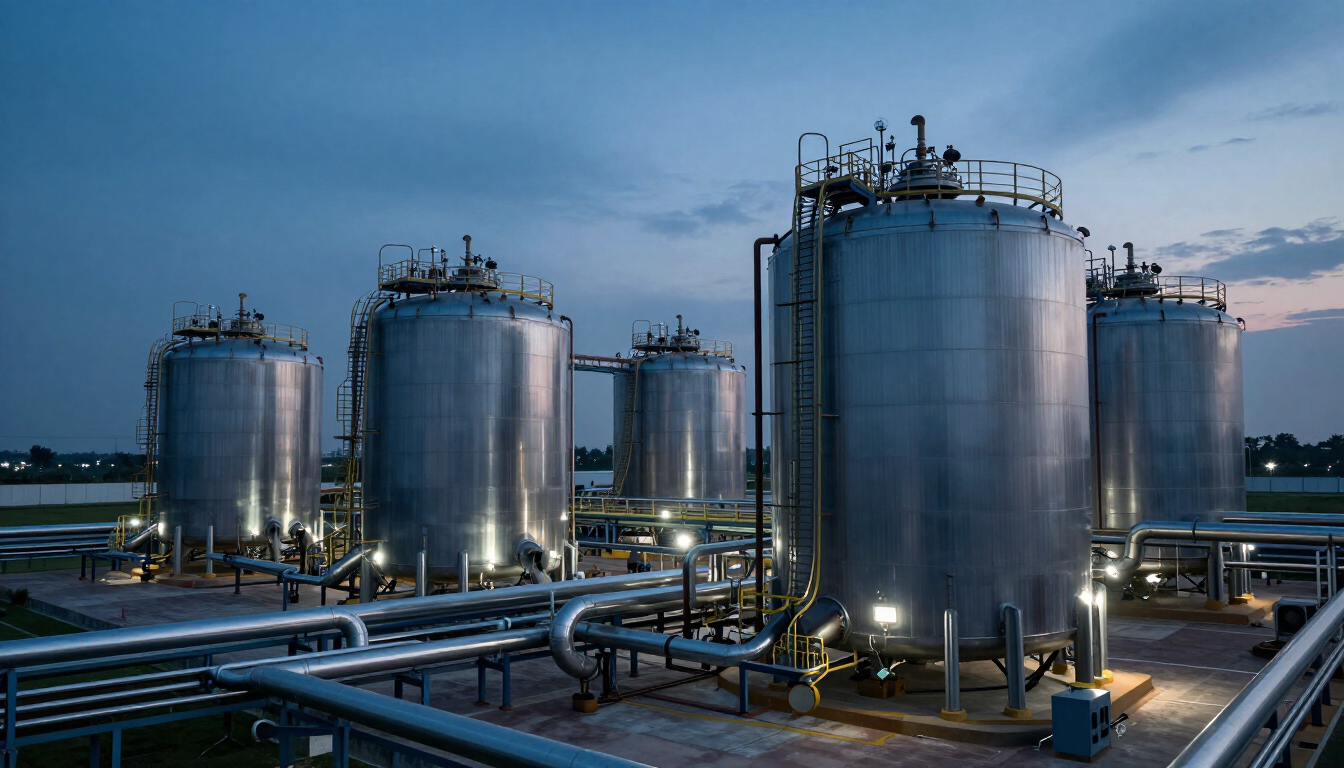
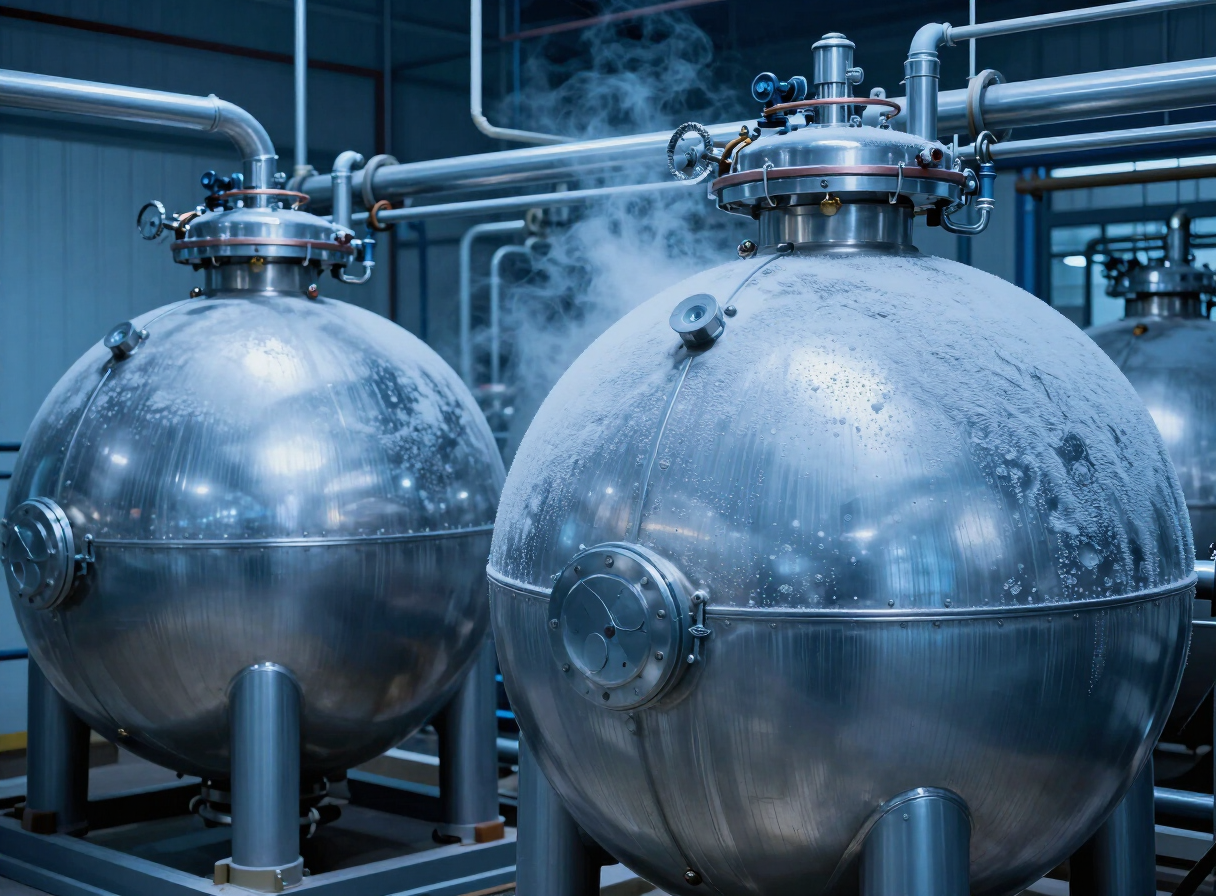
Liquid hydrogen (LH₂) is hydrogen cooled to its boiling point of -253 °C, where it condenses into a clear, ultra-light cryogenic liquid. This dramatic densification makes large-scale storage and long-distance transport economically viable, while its unmatched gravimetric energy density powers the hardest-to-decarbonise sectors.
-253 °C
Boiling Point
20.28 K at 1 atm
70.8 kg/m³
Density (liquid)
~800× gas density
120 MJ/kg
Energy Content
Highest per unit mass
1 / 848
Volume Reduction
vs. gaseous H₂
848×
volume compression
Renewable-powered PEM and alkaline electrolysers split water into hydrogen and oxygen with zero direct emissions — the core of India's green hydrogen mission.
Purified gaseous hydrogen is cooled to -253 °C through multi-stage Claude cycles with pre-cooling and ortho-para conversion for stable cryogenic storage.
Pressure-swing adsorption and catalytic units deliver 99.999% purity, meeting SAE J2719 fuel-cell grade specifications for end use.
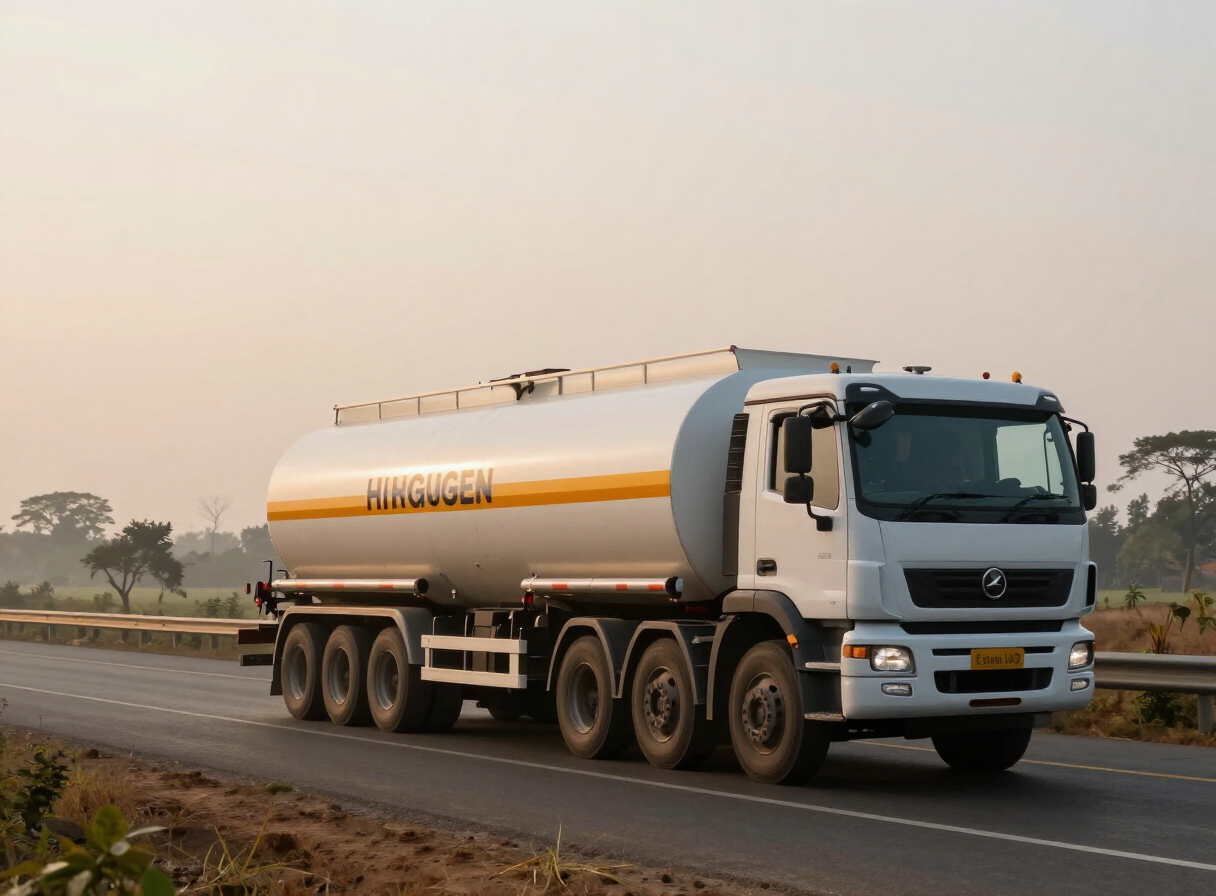
Vacuum-insulated cryogenic road tankers, ISO containers and rail carriers move LH₂ from production hubs in Gujarat and Rajasthan to demand centres nationwide — with boil-off management keeping losses below 0.3% per day.
Double-walled tankers
Multi-layer vacuum insulation maintaining -253 °C in transit
Intermodal reach
Road, rail and coastal shipping for port-to-plant delivery
Boil-off recovery
On-board reliquefaction to minimise evaporative loss
Safety-first handling
PESO-compliant protocols with real-time telemetry
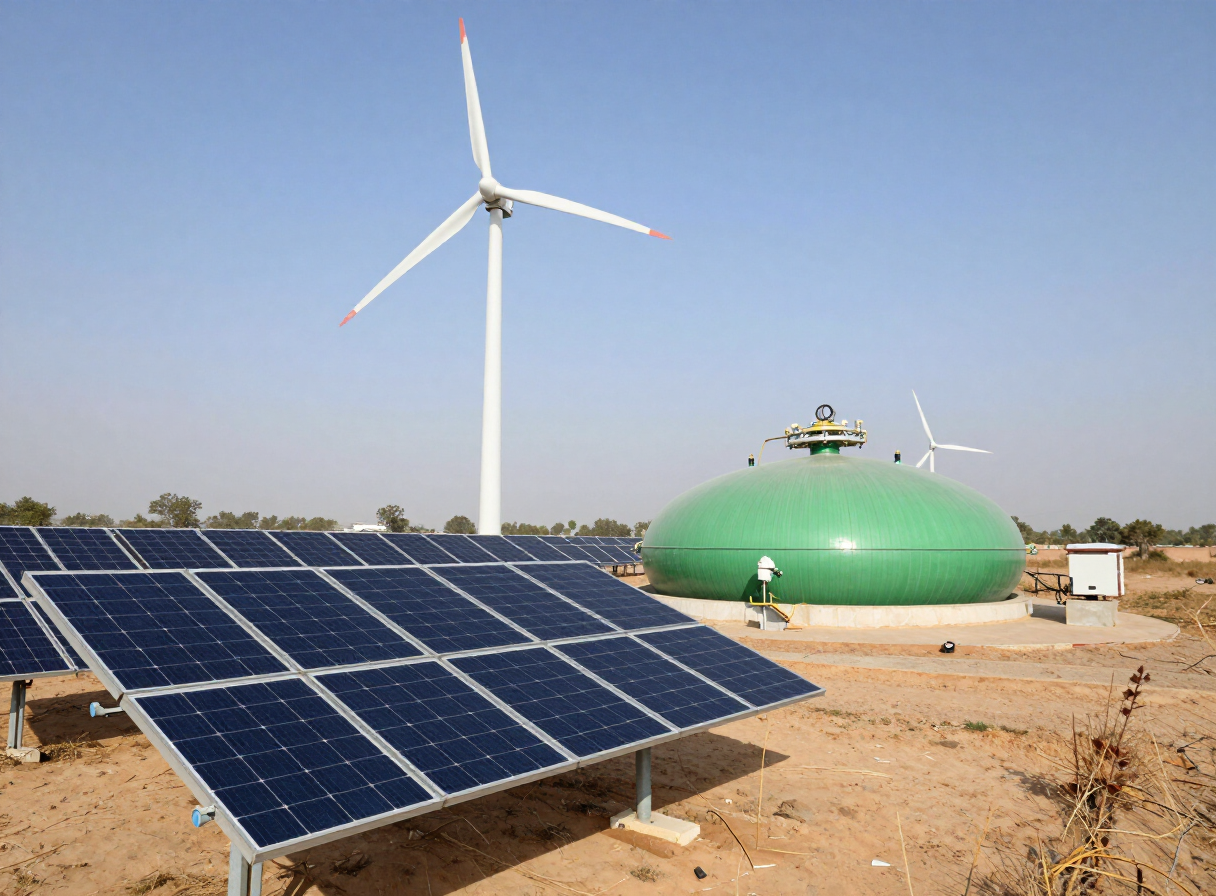
Produced from renewable electricity and consumed with only water vapour as a by-product, green liquid hydrogen closes the loop on India's decarbonisation goals under the National Green Hydrogen Mission.
0 g
CO₂ at point of use
5 MMT
Green H₂ target by 2030
H₂O
Only emission — water